
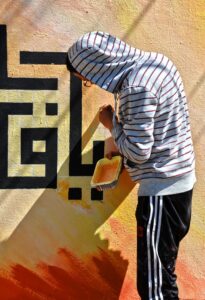
 Discovering the Beauty of Calligraphy
Calligraphy is more than decorative handwriting; it is a creative art form that combines precision, patience, and imagination. Throughout history, beautiful lettering has been used to preserve culture, create important manuscripts, design invitations, and express emotions through carefully crafted words. Today, calligraphy continues to inspire artists, designers, and hobbyists who appreciate the elegance of handwritten typography.
The beauty of calligraphy lies in its ability to transform ordinary text into visual masterpieces. Every letter carries personality, rhythm, and emotion, making each piece unique. From wedding invitations and greeting cards to branding and wall art, calligraphy remains an essential part of artistic design.
The History of Calligraphy
Ancient Origins
The origins of calligraphy date back thousands of years, when civilizations carefully developed writing systems for communication and record keeping. Ancient cultures including the Egyptians, Chinese, Greeks, and Romans each contributed unique styles that influenced modern lettering traditions.
As writing materials improved, skilled scribes perfected elegant lettering techniques that were used in religious manuscripts, official documents, and artistic works. These early developments established the foundation for today’s calligraphy styles.
The Evolution of Modern Calligraphy
Modern calligraphy blends traditional methods with contemporary creativity. Artists now combine classic scripts with digital design, watercolor backgrounds, metallic inks, and personalized typography to create distinctive artwork for personal and commercial projects.
The accessibility of online learning and creative tools has introduced calligraphy to a new generation of artists who continue to expand the possibilities of this timeless craft.
Essential Calligraphy Tools
Choosing the Right Pen
Different calligraphy styles require different writing instruments. Dip pens, fountain pens, brush pens, and broad-edge pens each produce unique strokes that influence the overall appearance of the lettering.
Selecting the right pen depends on the desired style, experience level, and type of project. Beginners often start with brush pens before exploring traditional nibs and ink.
Paper and Ink Selection
Quality paper plays an important role in achieving clean and smooth lettering. Thick, bleed-resistant paper allows ink to flow evenly while preventing feathering and smudging.
Similarly, premium inks provide consistent color, rich pigmentation, and smooth application, helping artists create professional-looking artwork with every project.
Popular Styles of Calligraphy
Traditional Scripts
Traditional calligraphy includes elegant scripts such as Copperplate, Gothic, Italic, Spencerian, and Roman lettering. These styles emphasize structure, balance, and historical techniques that have been practiced for centuries.
They remain popular for certificates, formal invitations, historical reproductions, and luxury stationery.
Modern Lettering
Modern calligraphy encourages artistic freedom by blending classic strokes with creative flourishes. Artists often experiment with varying line thickness, vibrant colors, textured backgrounds, and contemporary layouts.
This flexible approach makes modern calligraphy perfect for branding, social media graphics, event signage, and personalized gifts.
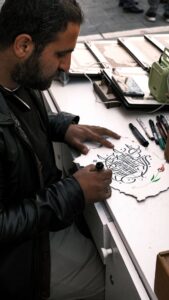 Learning the Art of Calligraphy
Developing calligraphy skills requires patience and regular practice. Beginners often begin by mastering basic strokes before progressing to complete alphabets and decorative compositions. Consistent practice helps improve muscle memory, pen control, spacing, and letter consistency.
Studying different scripts, observing experienced artists, and practicing daily can significantly accelerate progress. Over time, artists naturally develop their own signature style while maintaining strong technical foundations.
Calligraphy in Modern Design
Today, calligraphy is widely used across creative industries. Graphic designers incorporate hand lettering into logos, packaging, advertising campaigns, book covers, restaurant menus, and digital illustrations. Event planners rely on elegant calligraphy for wedding invitations, seating charts, place cards, and welcome signs.
Businesses also use custom lettering to strengthen brand identity by creating memorable visual experiences that stand apart from standard typography.
Personalized Calligraphy Services
Custom calligraphy adds sophistication and individuality to any occasion. Whether designing wedding invitations, anniversary gifts, certificates, memorial keepsakes, or luxury branding materials, handcrafted lettering creates an emotional connection that digital fonts often cannot replicate.
Professional calligraphy services ensure every project reflects the client’s vision while maintaining artistic excellence and attention to detail.
Preserving a Timeless Tradition
Although technology dominates modern communication, calligraphy continues to thrive because it celebrates craftsmanship and creativity. Each handwritten piece reflects the artist’s dedication, making every project one of a kind.
As more people seek meaningful artistic experiences, calligraphy remains a valuable skill that connects history, culture, and modern design through beautiful lettering.
Conclusion
The art of calligraphy is a timeless blend of creativity, precision, and personal expression. From ancient manuscripts to contemporary branding, beautifully crafted lettering continues to inspire artists and audiences around the world. Whether practiced as a hobby, a profession, or a form of artistic relaxation, calligraphy offers endless opportunities to create meaningful and visually stunning works of art that leave a lasting impression.
…
Continue Reading